
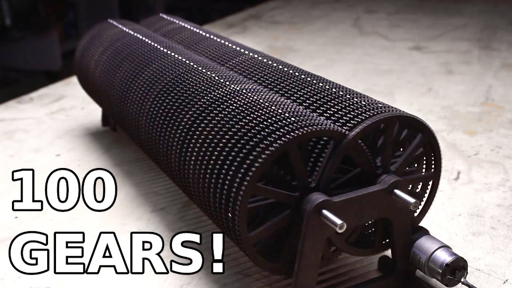
I’ve seen this video where GOOGOL gear is depicted (it takes 10100 years on reaching the final gear) but how many generations will it take? The 5th gear takes about 10 hours in real time, by the time the 10th one starts spinning (you’re probably already dead).
The entire thing consists of 100 gears. However, even if you record or livestream a video of the entire thing: would you still be alive by the time the final gear starts spinning? The common life span of a human is around 72-73 median but some can reach 100+ up to 125.
You would need to spin the first gear 1 trillion times per second from now until the last proton in the universe decays, then do that about 1068 more times. 1068 is roughly equal to 52!, the number of unique ways a deck of cards can be shuffled. There’s a somewhat famous description of how large this number is (paraphrased for brevity):
I think most people don’t understand how insanely, mind-mindbogglingly large 52! is.
I’ve received disbelieving replies before after saying that every freshly full-shuffled deck, where that shuffling started from a shuffled state (not new deck order), is in a unique card order never before used by humanity since the invention of the four suit and 52 card deck.
But that statement is absolutely true. The chances of it being false are so microscopically tiny that they are, for all intents and purposes, zero.